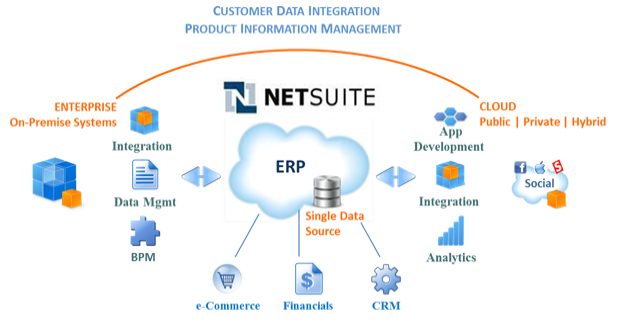
Hallo und herzlich willkommen! Wenn Sie ein Großhändler sind, der nach effizienten Lösungen zur Optimierung Ihrer Vertriebsprozesse sucht, dann sind Sie hier genau richtig. Denn in diesem Artikel dreht sich alles um die Verwendung von ERP-Software, um die Verteilung Ihrer Waren zu verbessern und Ihr Unternehmen auf das nächste Level zu heben. Erfahren Sie, wie Sie mit Hilfe von modernen Technologien Ihre Lagerbestände optimieren, Lieferungen schneller abwickeln und Kundenanfragen effizienter bearbeiten können.
Understanding the Benefits of Wholesale Distribution ERP Software Solutions
Wholesale distribution ERP software solutions are designed to streamline and automate the various processes involved in wholesale distribution businesses. These solutions offer a wide range of benefits that can help businesses improve efficiency, control costs, and ultimately increase profitability.
One of the key benefits of wholesale distribution ERP software solutions is improved inventory management. With the ability to track inventory levels in real time and automate the replenishment process, businesses can reduce the risk of stockouts and overstocks. This enables businesses to optimize their inventory levels, reducing carrying costs and increasing inventory turnover.
In addition to improved inventory management, wholesale distribution ERP software solutions also offer enhanced visibility into business operations. By integrating all aspects of the business – from sales and purchasing to inventory and finance – into a single system, businesses can gain a comprehensive view of their operations. This visibility allows businesses to make more informed decisions, identify areas for improvement, and react quickly to changing market conditions.
Another benefit of wholesale distribution ERP software solutions is improved customer service. By centralizing customer information and communication channels within the ERP system, businesses can provide more personalized and responsive service to their customers. This can lead to increased customer satisfaction, loyalty, and repeat business.
Furthermore, wholesale distribution ERP software solutions can help businesses reduce operating costs. By automating manual processes, eliminating redundant tasks, and improving efficiency, businesses can lower their overall operating expenses. This can free up resources to invest in other areas of the business, such as marketing, technology, or employee training.
Businesses that implement wholesale distribution ERP software solutions can also benefit from improved data accuracy and integrity. With all business data stored in a centralized system, businesses can ensure that data is consistent, up-to-date, and easily accessible. This can help businesses make more accurate and timely decisions, improve forecasting accuracy, and reduce the risk of errors.
Lastly, wholesale distribution ERP software solutions can help businesses adapt to changing market conditions and grow their operations. With the ability to scale the system as the business grows, add new functionality as needed, and integrate with other business systems, businesses can easily expand their operations and take advantage of new opportunities.
In conclusion, wholesale distribution ERP software solutions offer a wide range of benefits that can help businesses improve efficiency, control costs, and increase profitability. By improving inventory management, enhancing visibility, boosting customer service, reducing operating costs, ensuring data accuracy, and enabling growth, these solutions can provide businesses with a competitive edge in today’s fast-paced business environment.
Key Features to Look for in Wholesale Distribution ERP Software Solutions
When selecting a Wholesale Distribution ERP Software solution, there are several key features that you should consider to ensure that it meets the specific needs of your business. Whether you are a small, medium, or large-scale distributor, these features can help streamline your operations, increase efficiency, and ultimately improve your bottom line. Here are some of the key features to look for:
1. Inventory Management: One of the most important features of any ERP software for wholesale distributors is robust inventory management capabilities. This includes the ability to track and monitor inventory levels in real-time, set reorder points, manage multiple warehouses, and track the movement of stock from the supplier to the customer. Look for a solution that offers advanced features such as barcode scanning, lot tracking, and serial number tracking to ensure accurate inventory management.
2. Demand Planning and Forecasting: A good Wholesale Distribution ERP Software solution should have robust demand planning and forecasting features to help you anticipate customer demand, plan inventory levels accordingly, and avoid stockouts or overstock situations. The software should be able to analyze historical sales data, market trends, and other factors to generate accurate demand forecasts. Look for a solution that offers predictive analytics, advanced forecasting algorithms, and the ability to generate dynamic demand plans based on changing market conditions.
3. Order Management: An effective ERP software solution should offer comprehensive order management features that streamline the order-to-cash process. This includes the ability to create and process orders quickly, track order status in real-time, manage backorders, and easily generate invoices. The software should also integrate with e-commerce platforms, EDI systems, and other sales channels to ensure seamless order processing.
4. Financial Management: Another important feature to consider is robust financial management capabilities. The ERP software should offer features like general ledger, accounts payable and receivable, budgeting, and financial reporting to help you manage your finances efficiently. Look for a solution that integrates with popular accounting software like QuickBooks or Xero for seamless financial management.
5. Supplier Relationship Management: In addition to managing customer relationships, a Wholesale Distribution ERP Software solution should also offer strong supplier relationship management capabilities. This includes the ability to track supplier performance, negotiate better pricing, manage contracts and agreements, and collaborate with suppliers to improve supply chain efficiency. Look for a solution that offers supplier portals, purchase order management, and supplier scorecards to streamline supplier relationships.
By considering these key features when selecting a Wholesale Distribution ERP Software solution, you can ensure that it meets the specific needs of your business and helps you streamline your operations, improve efficiency, and boost profitability.
Implementation Strategies for Wholesale Distribution ERP Software Solutions
Implementing a wholesale distribution ERP software solution can be a daunting task, but with the right strategies in place, it can be a smooth process. Here are some key implementation strategies to consider when implementing ERP software for your wholesale distribution business.
1. Planning and Preparation: One of the most important steps in the implementation process is proper planning and preparation. Before diving into the implementation of the ERP software, it is crucial to assess your current business processes, identify areas that need improvement, and set clear goals and objectives for the implementation. This will help ensure that the software is implemented effectively and efficiently.
2. Training and Education: Training and education are key components of a successful ERP software implementation. It is important to ensure that all employees who will be using the software are properly trained on how to use it effectively. This may involve providing training sessions, workshops, and resources to help employees understand the software and its functionalities. Investing time and resources into training will ultimately lead to a smoother implementation process and increased user adoption.
3. Phased Implementation: When implementing ERP software for wholesale distribution, it is often beneficial to take a phased approach. This means breaking down the implementation process into smaller, manageable phases that can be completed one at a time. By implementing the software in phases, you can focus on specific areas of your business at a time, which can help reduce the risk of errors and ensure a smoother transition. Additionally, phased implementation allows you to gather feedback from users after each phase, making it easier to make adjustments and improvements as needed.
For example, you may start by implementing the financial modules of the ERP software first, followed by the inventory management modules, and then the sales and customer management modules. This approach allows you to prioritize key areas of your business and ensure that each phase is completed successfully before moving on to the next.
4. Data Migration and Integration: Data migration and integration are critical components of any ERP software implementation. It is important to ensure that data from your existing systems is migrated accurately to the new ERP software and that it is integrated seamlessly with other systems and processes. This may involve mapping out data migration processes, cleansing data, and testing data integration to ensure that the software functions as intended.
5. Continuous Monitoring and Evaluation: Once the ERP software is implemented, it is important to continuously monitor and evaluate its performance. This may involve tracking key performance indicators, gathering feedback from users, and identifying areas that need improvement. By continuously monitoring and evaluating the software, you can ensure that it is meeting the needs of your business and make adjustments as needed to optimize its performance.
By following these key implementation strategies, you can ensure a successful ERP software implementation for your wholesale distribution business. Remember that every business is unique, so it is important to tailor your implementation strategies to fit the specific needs and requirements of your business.
Case Studies of Success with Wholesale Distribution ERP Software Solutions
Implementing a Wholesale Distribution ERP Software Solution can have a significant impact on streamlining operations and improving overall efficiency for distributors. Here, we will explore four case studies of success with Wholesale Distribution ERP Software Solutions.
1. ABC Distributors, a family-owned business specializing in hardware supplies, was struggling to keep up with their growing business demands. Orders were being processed manually, leading to errors and delays in fulfillment. After implementing a Wholesale Distribution ERP Software Solution, they were able to automate their processes, leading to a 20% increase in order accuracy and a 30% decrease in order fulfillment time. Their customer satisfaction ratings also improved significantly.
2. XYZ Inc., a wholesale distributor of electronics, was facing challenges with inventory management and forecasting. They were constantly overstocked on certain items while running out of others, leading to lost sales and increased carrying costs. By implementing a Wholesale Distribution ERP Software Solution with advanced inventory forecasting capabilities, they were able to reduce excess inventory by 15% and increase inventory turnover by 20%. This led to a 10% increase in sales revenue and a significant improvement in profit margins.
3. LMN Supplies, a distributor of cleaning products, was struggling with manual order processing and inventory tracking. This led to frequent stockouts and delays in order fulfillment, resulting in dissatisfied customers. After implementing a Wholesale Distribution ERP Software Solution, they were able to automate their order processing and improve their inventory tracking. As a result, they saw a 25% reduction in stockouts and a 40% decrease in order fulfillment time. Customer complaints also decreased significantly, leading to improved customer retention rates.
4. DEF Wholesale, a distributor of automotive parts, was facing challenges with their supply chain management. They were struggling to coordinate with their suppliers and manage incoming shipments efficiently, leading to delays in restocking and increased lead times. After implementing a Wholesale Distribution ERP Software Solution with integrated supply chain management features, they were able to communicate seamlessly with their suppliers and track incoming shipments in real-time. This led to a 15% reduction in lead times and a 25% decrease in out-of-stock situations. Their overall supply chain efficiency improved, resulting in cost savings and improved customer satisfaction.
These case studies demonstrate the significant benefits that Wholesale Distribution ERP Software Solutions can bring to distributors. By automating processes, improving inventory management, and streamlining supply chain operations, distributors can see improvements in order accuracy, fulfillment time, inventory turnover, sales revenue, and customer satisfaction. Consider implementing a Wholesale Distribution ERP Software Solution to take your distribution business to the next level.
Future Trends in Wholesale Distribution ERP Software Solutions
As wholesale distribution ERP software solutions continue to evolve, there are several key trends that are shaping the future of the industry. From advanced analytics to enhanced mobile capabilities, these trends are helping wholesalers stay ahead of the curve and remain competitive in a rapidly changing market.
One major trend in wholesale distribution ERP software solutions is the increased focus on predictive analytics. With the help of advanced machine learning algorithms, ERP systems are now able to analyze vast amounts of data to predict trends, identify potential issues, and make informed decisions. This predictive capability is allowing wholesalers to anticipate customer needs, optimize inventory levels, and improve overall business performance.
Another significant trend in wholesale distribution ERP software solutions is the shift towards cloud-based systems. Cloud ERP solutions offer increased flexibility, scalability, and accessibility compared to traditional on-premise systems. Wholesalers are increasingly turning to cloud-based ERP solutions to streamline their operations, reduce costs, and improve collaboration across their organizations.
Mobile functionality is also becoming a standard feature in wholesale distribution ERP software solutions. With the rise of remote work and the increasing reliance on mobile devices, wholesalers are demanding ERP systems that are accessible from anywhere, at any time. Mobile ERP apps allow employees to access real-time data, track inventory, manage orders, and communicate with customers on the go, leading to increased productivity and efficiency.
Integration with e-commerce platforms is another key trend in wholesale distribution ERP software solutions. As more wholesalers expand their online presence and shift towards omnichannel sales strategies, integration with e-commerce platforms is essential for streamlining operations and providing a seamless customer experience. ERP systems that can seamlessly integrate with popular e-commerce platforms like Shopify, Magento, and WooCommerce are helping wholesalers automate the order process, synchronize inventory levels, and track customer interactions across all channels.
Lastly, artificial intelligence and machine learning capabilities are becoming increasingly prevalent in wholesale distribution ERP software solutions. These technologies enable ERP systems to automate repetitive tasks, predict customer behavior, and optimize business processes in real-time. By leveraging AI and machine learning, wholesalers can gain valuable insights into their operations, improve decision-making, and drive growth.
Originally posted 2025-01-09 10:35:27.