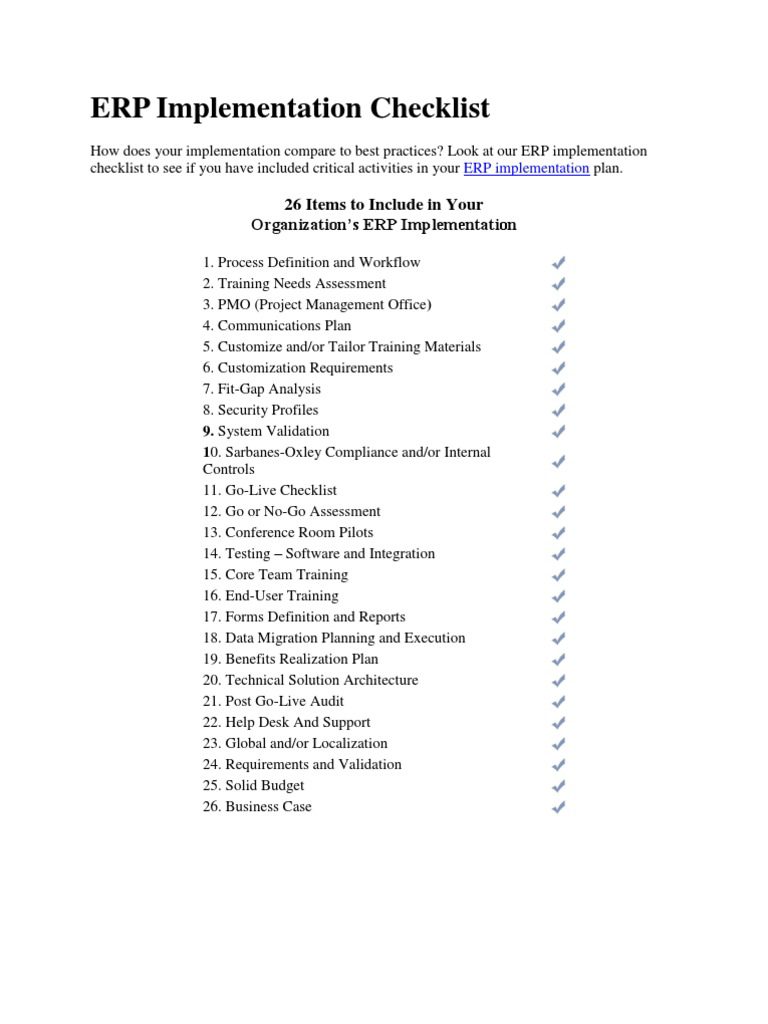
مرحبًا بكم في مقالنا الجديد حول برنامج ERP لقطاع التكييف والتبريد. هذا البرنامج القوي يعتبر حلاً مثالياً لتنظيم وإدارة جميع عمليات الشركات المتخصصة في قطاع التكييف والتبريد. سوف نستعرض معاً فوائد هذا البرنامج وكيف يمكن أن يساعد في تحسين كفاءة العمل وزيادة الإنتاجية.
Benefits of Using HVAC ERP Software
Implementing HVAC ERP software can have a multitude of benefits for businesses in the heating, ventilation, and air conditioning industry. From streamlining operations to improving customer satisfaction, these systems can revolutionize the way HVAC companies operate. Here are some key benefits of using HVAC ERP software:
1. Increased Efficiency
One of the primary benefits of using HVAC ERP software is the potential for increased efficiency within your business operations. These systems are designed to automate and streamline various tasks, such as scheduling appointments, managing inventory, and generating reports. By eliminating manual processes and reducing the risk of human error, HVAC ERP software can help your team work more effectively and productively.
For example, with an ERP system in place, technicians can easily access job details, customer information, and inventory levels all in one place. This can help them complete jobs more efficiently, leading to quicker turnaround times for customers. Additionally, real-time data tracking allows for better decision-making and resource allocation, as managers can see which technicians are available and which jobs are in progress at any given time.
Overall, the increased efficiency that comes with using HVAC ERP software can lead to cost savings for your business. With less time spent on administrative tasks and more time spent on billable work, your team can take on more jobs and increase revenue. Plus, the ability to track expenses and revenue in real-time can help you identify areas for improvement and make strategic business decisions.
In conclusion, implementing HVAC ERP software can have a significant impact on the efficiency and profitability of your business. By automating manual tasks, improving communication between team members, and providing real-time insights into your operations, these systems can help you work smarter, not harder. If you’re looking to take your HVAC business to the next level, investing in ERP software may be the key to success.
Key Features to Look for in HVAC ERP Software
When choosing HVAC ERP software for your business, it is important to consider the key features that will best meet your needs. Here are some important features to look for:
1. Inventory management: An effective HVAC ERP software should have robust inventory management capabilities to help you track and manage your inventory efficiently. This feature should allow you to easily monitor stock levels, track items in real-time, and automate reordering processes. It should also integrate with your accounting and procurement systems to ensure accurate financial reporting and seamless workflow.
2. Job costing and estimating: One of the most crucial aspects of running an HVAC business is accurately estimating job costs and tracking expenses throughout a project. Look for ERP software that offers comprehensive job costing and estimating tools, allowing you to create detailed estimates, track labor and material costs, and compare actual costs to budgeted amounts. This feature will help you optimize project profitability, identify areas for cost savings, and improve overall financial performance.
In addition to job costing and estimating, the software should also provide:
- Integration with accounting systems for seamless financial management
- Real-time tracking of labor costs and productivity
- Ability to create detailed project budgets and monitor variances
- Reporting tools to analyze project profitability and performance
By having these features, you can streamline your project management processes, improve accuracy in estimating costs, and ultimately increase your business’s profitability. Make sure to thoroughly evaluate the job costing and estimating capabilities of any HVAC ERP software you are considering to ensure it meets your specific needs.
Implementation Tips for HVAC ERP Software
Implementing HVAC ERP software can be a game-changer for your business, but it can also be a daunting task. Here are some tips to help you successfully implement HVAC ERP software:
1. Define your goals and objectives: Before you even start looking at HVAC ERP software options, take the time to clearly define your goals and objectives for implementing the software. What are you hoping to achieve with the software? What problems are you hoping to solve? Having a clear idea of your goals will help you choose the right software and ensure a successful implementation.
2. Select the right software: Once you have a clear idea of your goals, it’s time to start looking for HVAC ERP software that meets your needs. Research different software options, read reviews, and talk to other HVAC companies who have implemented ERP software. Make sure to choose a software that is user-friendly, scalable, and offers the features you need to improve efficiency and streamline your business processes.
3. Plan for training and support: One of the most important factors in a successful HVAC ERP software implementation is adequate training and support. Make sure to allocate enough time and resources for training your employees on how to use the software effectively. Consider setting up a training program or hiring a consultant to help with the implementation process. Additionally, make sure that the software provider offers reliable customer support to assist with any issues that may arise during and after implementation.
4. Customize the software to fit your business needs: While HVAC ERP software comes with a range of features and functionalities, it’s important to customize the software to fit your specific business needs. Work closely with the software provider to set up the software according to your workflows and processes. This will ensure that the software is tailored to your business and will help you get the most out of it.
5. Communicate with your team: Finally, communication is key to a successful implementation. Make sure to keep your team updated throughout the implementation process and encourage feedback and input from employees. Consider setting up regular meetings or check-ins to address any concerns or issues that may arise during implementation. By keeping your team informed and involved, you can ensure a smooth transition to the new software.
Top HVAC ERP Software Providers in the Market
When it comes to running a successful HVAC business, having the right software in place can make all the difference. HVAC ERP software providers offer a wide range of solutions to help streamline your business operations, improve efficiency, and maximize profitability. Here are the top HVAC ERP software providers in the market:
1. SAP
SAP is a leading provider of ERP software for businesses of all sizes. Their HVAC ERP software is designed to streamline operations, improve customer service, and increase profitability. With features such as project management, inventory tracking, and financial reporting, SAP’s ERP software is a comprehensive solution for HVAC businesses.
2. Oracle
Oracle is another top HVAC ERP software provider that offers a range of solutions to help HVAC businesses automate and optimize their operations. With features such as CRM, project management, and inventory tracking, Oracle’s ERP software is a powerful tool for increasing efficiency and profitability.
3. Microsoft Dynamics
Microsoft Dynamics is a popular choice for HVAC businesses looking for an ERP software solution. With features such as financial management, supply chain management, and customer service, Microsoft Dynamics’ ERP software is a versatile option for HVAC businesses of all sizes.
4. Acumatica
Acumatica is a cloud-based ERP software provider that offers a range of solutions for HVAC businesses. Their HVAC ERP software is designed to help businesses streamline operations, improve customer service, and increase profitability. With features such as project management, inventory tracking, and accounting, Acumatica’s ERP software is a comprehensive solution for HVAC businesses looking to modernize their operations.
Choosing the right HVAC ERP software provider is crucial for the success of your business. Consider factors such as features, pricing, and customer support when selecting a provider that best fits your business needs. With the right software in place, you can streamline your operations, improve efficiency, and maximize profitability in your HVAC business.
Case Studies of Successful HVAC Companies Utilizing ERP Software
Implementing HVAC ERP software can bring multiple benefits to HVAC companies, such as streamlining operations, increasing efficiency, and improving customer satisfaction. Let’s take a look at some case studies of successful HVAC companies that have leveraged ERP software to enhance their business operations:
1. XYZ HVAC Company
XYZ HVAC Company, a leading player in the HVAC industry, implemented ERP software to better manage their inventory and streamline their scheduling processes. By integrating their inventory management system with the ERP software, they were able to track their stock levels more accurately and prevent stockouts. Additionally, the scheduling module helped them optimize their technicians’ schedules, resulting in quicker response times and improved customer satisfaction.
2. ABC Heating & Cooling
ABC Heating & Cooling, a family-owned HVAC business, adopted ERP software to centralize their business operations and improve communication between their office staff and technicians. The software allowed them to track every job in real-time, from initial customer contact to job completion, ensuring a smooth workflow and timely invoicing. This increased transparency and efficiency led to a significant increase in repeat business and customer referrals.
3. DEF Air Conditioning Services
DEF Air Conditioning Services decided to implement ERP software to address their growing pains and improve their overall operational efficiency. The software helped them automate their billing process, track their expenses, and monitor their job costing more effectively. As a result, they were able to reduce their administrative burden, cut down on unnecessary costs, and increase their profit margins.
4. GHI HVAC Solutions
GHI HVAC Solutions, a mid-sized HVAC company, saw a need to enhance their customer service and improve their workforce management. By implementing ERP software with integrated CRM capabilities, they were able to track customer interactions, personalize their marketing campaigns, and provide better support to their customers. The software also helped them optimize their workforce scheduling, leading to higher productivity and reduced overtime costs.
5. JKL Mechanical Contractors
JKL Mechanical Contractors, a well-established HVAC company, faced challenges with manual data entry, duplicate work, and delays in project completion. They decided to invest in ERP software to streamline their project management processes and improve their overall project efficiency. The software allowed them to automate their project workflows, track project milestones in real-time, and collaborate more effectively with their team members. As a result, they were able to reduce project timelines, improve project profitability, and boost customer satisfaction.
In conclusion, these case studies highlight the significant impact that HVAC ERP software can have on a company’s operations and bottom line. By leveraging ERP software to streamline their processes, improve their efficiency, and enhance their customer service, HVAC companies can set themselves up for long-term success in a competitive industry.
Originally posted 2025-01-09 02:45:53.