Welcome, curious readers! Today, we’ll be delving into the fascinating world of Hubble ERP software and exploring its efficiency in streamlining business operations. From financial management to supply chain optimization, Hubble ERP software is renowned for its ability to improve productivity and drive growth. So sit back, relax, and let’s uncover the many benefits of this powerful tool.
Introduction to Hubble ERP
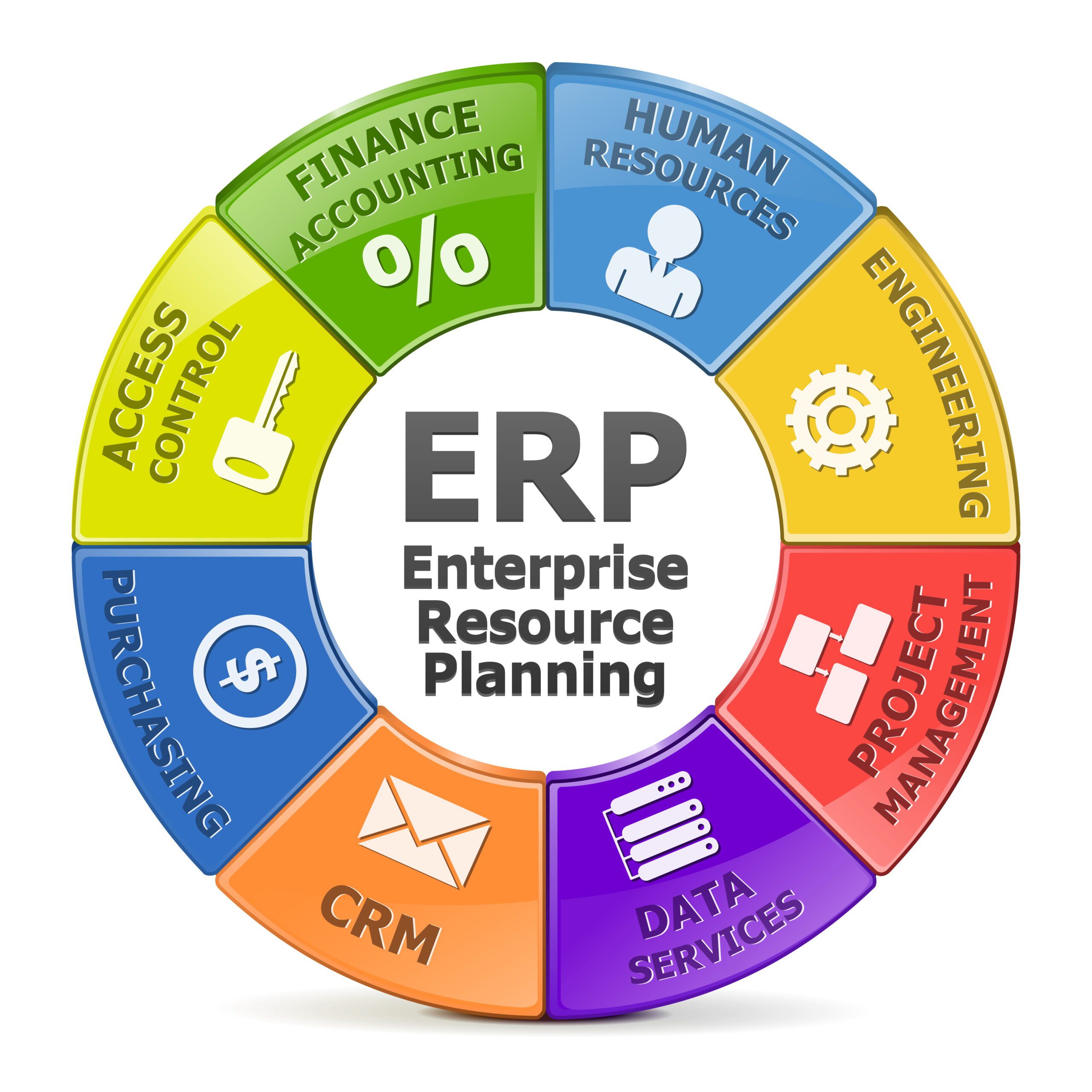
Hubble ERP is a cutting-edge Enterprise Resource Planning software that helps businesses streamline their operations and improve efficiency. It offers a comprehensive suite of tools and features designed to optimize key business processes, including finance, inventory management, human resources, and customer relationship management. With Hubble ERP, businesses can gain real-time insights into their operations, make data-driven decisions, and drive growth.
One of the key benefits of Hubble ERP is its scalability, making it suitable for businesses of all sizes. Whether you are a small startup or a large corporation, Hubble ERP can be tailored to meet your specific needs and requirements. The software is highly customizable, allowing you to configure it to align with your business goals and objectives.
Another important feature of Hubble ERP is its integration capabilities. The software can be easily integrated with other third-party applications, such as CRM systems, e-commerce platforms, and business intelligence tools. This seamless integration allows for seamless data flow across different systems, eliminating the need for manual data entry and reducing the risk of errors.
Furthermore, Hubble ERP comes with advanced reporting and analytics capabilities. Businesses can generate detailed reports, dashboards, and KPIs to track their performance and monitor key metrics. The software provides actionable insights that enable businesses to identify trends, spot opportunities, and address potential challenges in real-time.
In addition, Hubble ERP offers robust security features to protect sensitive business data. The software employs advanced encryption techniques and access controls to safeguard information from unauthorized access and cyber threats. Businesses can have peace of mind knowing that their data is secure and compliant with industry regulations.
Overall, Hubble ERP is a comprehensive solution that empowers businesses to optimize their operations, enhance decision-making, and drive growth. With its user-friendly interface, scalability, integration capabilities, reporting tools, and security features, Hubble ERP is a valuable asset for any organization looking to improve efficiency and stay competitive in today’s dynamic business environment.
Key Features of Hubble ERP
Hubble ERP is a comprehensive enterprise resource planning software that offers a wide range of features to help businesses streamline their operations and improve efficiency. Here are some of the key features that make Hubble ERP stand out from other ERP solutions:
1. Integrated Modules: Hubble ERP offers a fully integrated suite of modules that cover all aspects of business operations, including accounting, inventory management, human resources, and customer relationship management. This integration ensures that data is seamlessly shared between different departments, leading to more accurate and up-to-date information for decision-making.
2. Customizable Dashboards: Hubble ERP’s customizable dashboards allow users to easily track key performance indicators and metrics in real-time. Users can create personalized dashboards that display the information most relevant to their role, making it easier to monitor progress towards goals and identify any issues that need attention. The ability to customize dashboards ensures that each user has access to the information they need to make informed decisions and take action accordingly.
3. Reporting and Analytics: Hubble ERP comes equipped with advanced reporting and analytics capabilities that help businesses gain valuable insights into their operations. Users can generate custom reports, charts, and graphs to analyze trends, identify patterns, and make data-driven decisions. With Hubble ERP’s reporting and analytics tools, businesses can track performance, measure success, and improve processes to drive growth and profitability.
4. Mobile Access: Hubble ERP offers mobile access to its platform, allowing users to access critical business information anytime, anywhere. With mobile capabilities, users can stay connected to their data on the go, enabling them to make quick decisions and respond to issues in real-time. Mobile access also promotes collaboration and communication among team members, leading to increased productivity and efficiency across the organization.
5. Scalability and Flexibility: Hubble ERP is designed to grow with your business, offering scalability and flexibility to adapt to changing needs and requirements. Whether your business is a small startup or a large enterprise, Hubble ERP can be customized to fit your specific industry and workflow. The system can easily accommodate new users, additional modules, and integrations with other software, ensuring that your ERP solution remains effective and efficient as your business evolves.
6. Customer Support and Training: Hubble ERP provides exceptional customer support and training to help users get the most out of the software. From implementation to ongoing support, Hubble ERP’s team of experts is there to assist with any issues or questions that may arise. Training resources, tutorials, and documentation are also available to help users learn how to use the software effectively and maximize its benefits for their business.
In conclusion, Hubble ERP offers a comprehensive set of features designed to help businesses improve efficiency, increase productivity, and drive growth. With integrated modules, customizable dashboards, advanced reporting and analytics, mobile access, scalability and flexibility, and superior customer support, Hubble ERP is a top choice for businesses looking to streamline their operations and achieve success in today’s competitive market.
Benefits of Using Hubble ERP
Using Hubble ERP can provide numerous benefits to businesses of all sizes. Some of the key advantages of implementing this software solution include:
1. Improved Efficiency: Hubble ERP streamlines business processes, allowing for faster and more accurate data entry, reporting, and analysis. This can help organizations save time and resources by automating repetitive tasks and reducing the risk of human error. With real-time visibility into key business metrics, decision-makers can make more informed choices and respond quickly to changing market conditions.
2. Enhanced Visibility: Hubble ERP enables greater visibility into all aspects of a company’s operations, from finance and inventory management to sales and HR. By centralizing data in a single platform, businesses can access real-time insights and reporting, making it easier to identify trends, anticipate risks, and optimize performance. This comprehensive view of the business can lead to improved strategic planning and more effective decision-making.
3. Seamless Integration: One of the standout features of Hubble ERP is its ability to seamlessly integrate with other software applications and systems, such as CRM, E-commerce platforms, and supply chain management tools. This connectivity eliminates the need for manual data entry and reconciliation, ensuring that information flows effortlessly between different departments and functions. By unifying disparate systems, businesses can achieve greater operational efficiency and collaboration, resulting in a more agile and responsive organization.
4. Scalability and Flexibility: Hubble ERP is designed to grow with your business, offering scalability and flexibility to adapt to changing needs and requirements. Whether you are a small startup or a large enterprise, the software can be customized to suit your specific industry, size, and unique workflows. As your business evolves and expands, Hubble ERP can easily accommodate new users, business units, and processes, helping you stay competitive and agile in a dynamic marketplace.
5. Cost Savings: By simplifying and automating key business functions, Hubble ERP can help reduce overhead costs and improve operational efficiency. The software can eliminate the need for multiple standalone systems, reduce manual intervention, and minimize errors, resulting in lower operational expenses and higher productivity. Furthermore, the insights gained from real-time reporting and analysis can identify areas for optimization and cost-cutting, leading to long-term savings and improved profitability.
Overall, the benefits of using Hubble ERP are numerous and far-reaching. From improved efficiency and visibility to seamless integration, scalability, and cost savings, this software solution can help businesses achieve their goals and drive growth in today’s competitive business landscape.
Implementation Process of Hubble ERP
Implementing Hubble ERP is a complex and detailed process that requires careful planning and execution. The first step in the implementation process is to assess the current systems and processes within the organization. This involves understanding how different departments operate, what data they generate, and how they communicate with each other. This step is crucial for identifying areas that need improvement and determining how the new ERP system can address these issues.
Once the current systems have been assessed, the next step is to create a project plan for the implementation of the Hubble ERP system. This plan should outline the key tasks, milestones, and resources needed for the successful implementation of the system. It is important to involve key stakeholders from different departments in the creation of this plan to ensure that all requirements are considered and that the implementation process is aligned with the organization’s goals.
After the project plan has been created, the next step is to configure the Hubble ERP system to meet the organization’s specific needs. This involves setting up the system’s modules, defining user roles and permissions, and customizing workflows and processes. The configuration phase is a critical step in the implementation process, as it lays the foundation for how the system will be used and how data will be managed within the organization.
Once the system has been configured, the next step is to test the Hubble ERP system to ensure that it is functioning correctly and meeting the organization’s requirements. This involves running various tests and scenarios to identify and resolve any issues or bugs that may arise during the implementation process. It is important to involve end-users in the testing phase to gather feedback and ensure that the system aligns with their needs and expectations.
After the system has been tested and any issues have been resolved, the final step is to train end-users on how to use the Hubble ERP system. Training is a crucial part of the implementation process, as it ensures that employees are comfortable with the new system and can effectively use it in their day-to-day tasks. Training should be tailored to the specific roles and responsibilities of different employees and should be ongoing to support continuous learning and development.
In conclusion, the implementation process of Hubble ERP is a detailed and multifaceted process that requires careful planning, communication, and execution. By following a structured approach and involving key stakeholders throughout the process, organizations can successfully implement the Hubble ERP system and realize the benefits of improved efficiency, productivity, and decision-making.
Future Trends and Developments in Hubble ERP Industry
As the Hubble ERP industry continues to evolve, there are several key trends and developments that are shaping the future of this technology. One of the most significant trends is the move towards cloud-based ERP solutions. Cloud ERP offers several advantages over traditional on-premise systems, including lower costs, increased flexibility, and easier integration with other software applications.
Another important trend is the focus on predictive analytics and artificial intelligence (AI) in ERP systems. Predictive analytics allows businesses to forecast future trends and make more informed decisions, while AI can automate routine tasks and improve operational efficiency. These technologies are becoming increasingly integrated into ERP platforms, helping businesses streamline their operations and drive growth.
Mobile ERP is also gaining traction in the industry, as more companies recognize the benefits of accessing real-time data on the go. Mobile ERP solutions enable employees to access critical information from anywhere, at any time, increasing productivity and efficiency. With the rise of remote work and the need for greater flexibility, mobile ERP is expected to become more prevalent in the coming years.
Integration with Internet of Things (IoT) devices is another key development in the Hubble ERP industry. By connecting ERP systems to IoT devices such as sensors and smart devices, businesses can gather real-time data on their operations and make data-driven decisions. This integration allows for greater automation and efficiency, as well as improved visibility into key processes.
Finally, the rise of Industry 4.0 is also driving advancements in the Hubble ERP industry. Industry 4.0 refers to the fourth industrial revolution, characterized by the integration of digital technologies into manufacturing and supply chain processes. As businesses adopt Industry 4.0 principles, they are increasingly turning to ERP systems to help them manage complex operations and leverage new technologies such as machine learning and robotics.
In conclusion, the future of the Hubble ERP industry is bright, with a number of exciting trends and developments on the horizon. From cloud-based solutions to predictive analytics and mobile ERP, businesses are embracing new technologies to improve efficiency, streamline operations, and drive growth. As the industry continues to evolve, companies that stay abreast of these trends and invest in cutting-edge ERP solutions will be well-positioned to succeed in the digital age.