Factors to Consider When Choosing ERP Software for Startups
Factors to Consider When Choosing ERP Software for Startups
Choosing the right ERP software for your startup can be a daunting task, as there are many options available on the market. However, there are key factors that you should consider to ensure that you select the best fit for your business needs. Here are some important factors to keep in mind when evaluating ERP software for your startup:
Scalability: One of the most crucial factors to consider when choosing ERP software for your startup is scalability. Your business is likely to grow over time, so it’s essential to select a solution that can easily adapt to your changing needs. Look for an ERP system that can scale with your business, whether you’re adding new users, expanding to new locations, or increasing the volume of transactions.
Customization: Every startup is unique, with its own set of business processes and requirements. It’s important to choose an ERP solution that can be easily customized to meet your specific needs. Look for software that offers a high level of configurability, so you can tailor the system to fit your business processes and workflows without having to rely on costly and time-consuming customizations.
Cost: For startups, cost is always a consideration when investing in new software. When evaluating ERP solutions, make sure to consider not just the upfront costs, but also the total cost of ownership over the long term. Look for a solution that offers transparent pricing and licensing options, as well as a clear understanding of any additional costs for implementation, training, and ongoing support.
Ease of Use: One of the key benefits of an ERP system is its ability to streamline business processes and improve efficiency. However, if the software is difficult to use or requires extensive training, it can hinder productivity instead of enhancing it. Look for ERP software that is intuitive and user-friendly, with a modern interface that is easy for employees to navigate without requiring extensive training.
Integration: In today’s interconnected business landscape, integration is key to ensuring that your ERP system can communicate seamlessly with other software applications and systems. When evaluating ERP software for your startup, consider how well it integrates with other tools and platforms that your business uses, such as CRM systems, e-commerce platforms, and accounting software. Look for an ERP solution that offers robust integration capabilities to ensure a smooth flow of data across your organization.
By considering these key factors when choosing ERP software for your startup, you can select a solution that not only meets your current needs but also grows with your business in the future. Take the time to evaluate multiple options, request demos, and gather feedback from key stakeholders to ensure that you make an informed decision that will benefit your startup in the long run.
Top ERP Software Options for Startups
When it comes to choosing the best ERP software for a startup, there are several options available that cater to the unique needs of small businesses. Here are some of the top ERP software options that startups can consider:
1. NetSuite: NetSuite is a cloud-based ERP software that offers a wide range of features to help startups manage their finances, operations, and sales. With NetSuite, startups can automate their processes, streamline their operations, and gain real-time insights into their business performance. NetSuite also offers scalability, making it a great option for startups that are looking to grow rapidly.
2. Odoo: Odoo is another popular ERP software option for startups. It is an open-source solution that offers a modular approach, allowing startups to choose the specific modules that they need for their business. This flexibility makes Odoo a cost-effective option for startups with limited budgets. Additionally, Odoo is user-friendly and easy to customize, making it a great choice for startups that need a solution that can adapt to their evolving needs.
3. SAP Business One: SAP Business One is a comprehensive ERP solution that is designed specifically for small and midsize businesses. It offers features such as financial management, sales and customer management, purchasing, and inventory control. SAP Business One also integrates with other SAP solutions, making it a great option for startups that are looking for a scalable solution that can grow with their business.
4. Microsoft Dynamics 365 Business Central: Microsoft Dynamics 365 Business Central is a cloud-based ERP solution that is designed for small and medium-sized businesses. It offers features such as financial management, inventory management, sales, and customer service. Microsoft Dynamics 365 Business Central also integrates with other Microsoft products such as Office 365, making it a great option for startups that already use Microsoft products.
5. Sage Intacct: Sage Intacct is a cloud-based ERP solution that is designed for small and medium-sized businesses. It offers features such as financial management, revenue recognition, project accounting, and reporting. Sage Intacct also integrates with other business applications, making it a great option for startups that need a flexible and scalable solution.
Overall, choosing the right ERP software for a startup is essential for ensuring smooth operations, efficient processes, and sustainable growth. By considering the unique needs of the business and comparing the features and pricing of different ERP software options, startups can find the best solution that will help them succeed in the long run.
Features to Look for in ERP Software for Startups
When choosing an ERP software for your startup, there are several key features to look out for to ensure that it meets the unique needs of your growing business. Here are some important features to consider:
1. Scalability: One of the most important features to look for in ERP software for startups is scalability. As your business grows, you will need a system that can easily grow with you without the need for constant upgrades or migrations. Look for a software that can handle an increasing number of users, transactions, and data volume without compromising performance.
2. Customization: Every startup has its own unique processes, workflows, and requirements. Therefore, it’s crucial to choose an ERP software that can be easily customized to fit your specific needs. Look for a system that allows you to tailor the interface, reports, and workflows to match your business processes, rather than forcing you to adapt to a one-size-fits-all solution.
3. Integration capabilities: Another important feature to consider is the ability of the ERP software to integrate with other essential business systems. For startups, it’s common to use multiple software applications for different functions such as CRM, HR, accounting, and e-commerce. Look for an ERP system that offers seamless integration with these tools to streamline your operations and eliminate the need for manual data entry and reconciliation. APIs, connectors, and pre-built integrations are key factors to consider when evaluating the integration capabilities of an ERP software.
4. Cloud-based solution: In today’s digital age, cloud-based ERP software has become increasingly popular due to its flexibility, scalability, and affordability. Cloud-based solutions allow startups to access their data and software from anywhere with an internet connection, making it easy to collaborate with remote teams and work on-the-go. Additionally, cloud-based ERP software typically requires lower upfront costs and maintenance fees compared to on-premise solutions, making it a cost-effective choice for startups with limited resources.
5. User-friendly interface: As a startup, you may not have the resources to invest in extensive training for your employees. Therefore, it’s important to choose an ERP software with a user-friendly interface that is intuitive and easy to navigate. Look for a system that offers drag-and-drop functionality, customizable dashboards, and built-in tutorials to help your team quickly adapt to the new software and maximize productivity.
6. Security features: Data security is a top priority for startups, especially as cyber threats continue to evolve and become more sophisticated. When selecting an ERP software, make sure to prioritize security features such as data encryption, user authentication, role-based access controls, and regular security updates. Additionally, consider the provider’s data storage practices and compliance with industry regulations to ensure that your sensitive information is protected at all times.
By considering these key features when evaluating ERP software options for your startup, you can choose a solution that not only meets your current needs but also supports your future growth and success. Remember to carefully assess your business requirements, budget constraints, and long-term goals to make an informed decision that aligns with your unique startup journey.
Benefits of Implementing ERP Software for Startups
Implementing an ERP software system can be a game-changer for startups, providing various benefits that can help streamline operations, improve efficiency, and drive growth. Here are some key advantages of integrating ERP software into your startup:
1. Improved Visibility and Transparency: ERP software allows startups to centralize their data and processes, providing real-time visibility into all aspects of the business. This means that decision-makers can access accurate and up-to-date information anytime, anywhere, leading to better decision-making and increased transparency across the organization.
2. Increased Efficiency and Productivity: By automating repetitive tasks and streamlining processes, ERP software can help startups improve efficiency and productivity. This means less time spent on manual data entry, paperwork, and other time-consuming tasks, allowing employees to focus on more value-added activities that drive business growth.
3. Scalability and Flexibility: One of the key benefits of ERP software is its scalability, allowing startups to easily adapt and grow as their business expands. Whether you’re adding new products, entering new markets, or increasing your workforce, ERP software can accommodate these changes and support your business’s evolving needs. Additionally, ERP systems are designed to be flexible, allowing startups to customize and tailor the software to meet their specific requirements.
4. Enhanced Decision-Making: With ERP software, startups can access real-time data and analytics that provide valuable insights into their business performance. This enables decision-makers to make informed decisions quickly, based on accurate and up-to-date information. Whether it’s forecasting sales, tracking inventory levels, or analyzing customer behavior, ERP software empowers startups to make data-driven decisions that drive business growth.
Overall, implementing ERP software can provide startups with a competitive edge by improving visibility, efficiency, scalability, and decision-making capabilities. By investing in ERP software early on, startups can set a strong foundation for growth and success in the long run.
How ERP Software Can Streamline Startup Operations
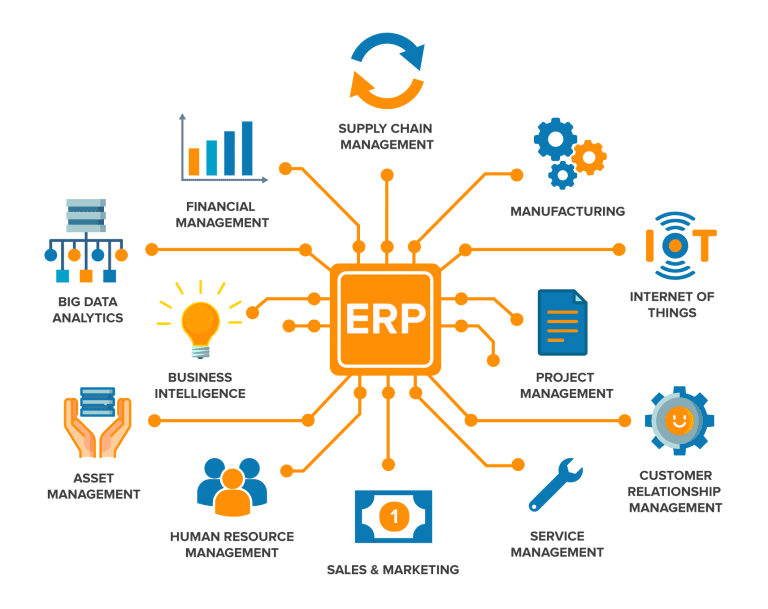
Starting a new business can be overwhelming, with numerous tasks to manage and limited resources available. This is where Enterprise Resource Planning (ERP) software can make a significant difference in streamlining operations for startups. ERP software is a comprehensive solution that integrates various business functions like finance, sales, inventory management, human resources, and more into one system. Here are five ways ERP software can help startups streamline their operations:
1. Centralized Data Management: By consolidating all business data into one centralized database, ERP software eliminates the need for manual data entry and reduces the risk of errors. This enables startups to have a real-time view of their business operations and make informed decisions based on accurate information.
2. Improved Efficiency: With ERP software automating routine tasks and processes, startups can improve efficiency and productivity across all departments. This allows employees to focus on more strategic tasks that drive growth and innovation rather than being bogged down by manual administrative work.
3. Cost Savings: By reducing manual work and improving efficiency, ERP software can help startups save costs in the long run. With streamlined processes and optimized resource allocation, startups can minimize wastage and make better use of their limited resources.
4. Scalability: As startups grow and expand, their operational needs evolve as well. ERP software is designed to be scalable, meaning it can grow with the business and adapt to changing requirements without the need for extensive customization or system upgrades. This flexibility allows startups to focus on their core business activities without worrying about outgrowing their software solution.
5. Enhanced Customer Experience: One of the key benefits of ERP software for startups is its ability to improve customer experience. By streamlining internal processes and enabling better communication between departments, startups can provide faster response times, accurate information, and personalized services to their customers. This can help startups build brand loyalty, attract repeat business, and differentiate themselves in a competitive market.
In conclusion, ERP software can be a game-changer for startups looking to streamline their operations and achieve sustainable growth. By centralizing data management, improving efficiency, saving costs, enabling scalability, and enhancing customer experience, ERP software can help startups overcome operational challenges and drive success in the long run.
Originally posted 2025-01-09 12:48:04.